Building your brand 🎨
Many chefs wait until they’re several months (or even years) into their business before they dedicate time to branding, story, and design; however, we’ve consistently seen that food businesses who launch with a strong brand from the start are able to build a following faster.
Just as important as nailing down your recipes or getting licensed to sell is starting to develop your brand early in your business. Creating a consistent brand from the start plays a huge part in getting your first customers and becoming recognizable in your community.
WHY STORY + BRAND MATTER
Customers have so many options for where to eat. Your food isn’t only competing with other restaurants, bakeries, and groceries in your town, but also delivery apps and ghost kitchens. When customers make their choice, its not always about what’s the most delicious or convenient option: they often want to make a choice that aligns with their values.
A big part of what customers consider before ordering food is where it comes from and who makes it. Not only can your brand’s identity and reputation be the reason someone tries your food, but it can make the difference between whether they return for a second order or not.
Think about some of your favorite brands or local businesses. Do you know who the founder is? Are you familiar with their history? Do you feel differently about the businesses where you can actually get to know the people who make the food? For many customers, there are specific items they’re prepared to shop for outside the grocery store and pay more for because they represent something customers care about.
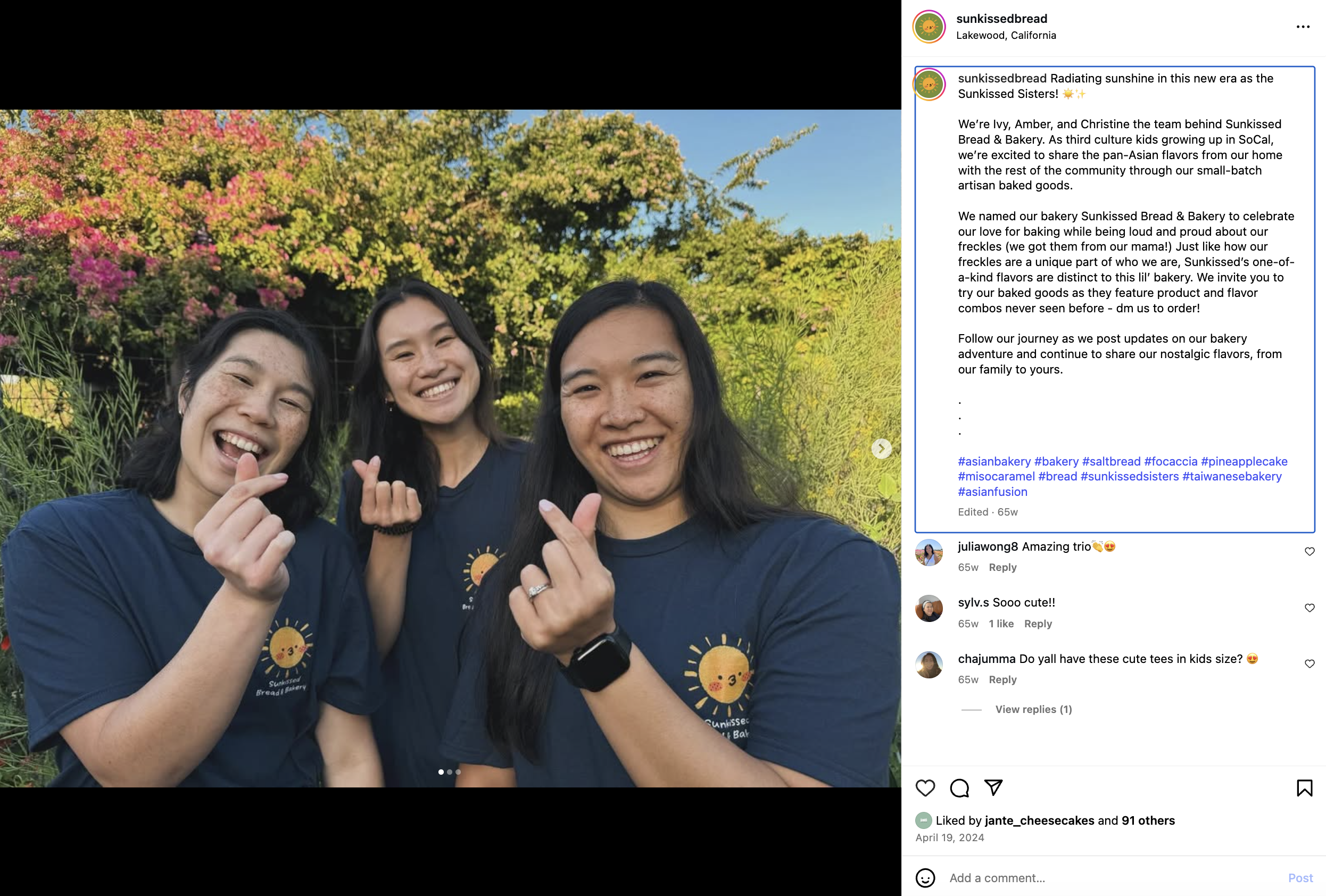
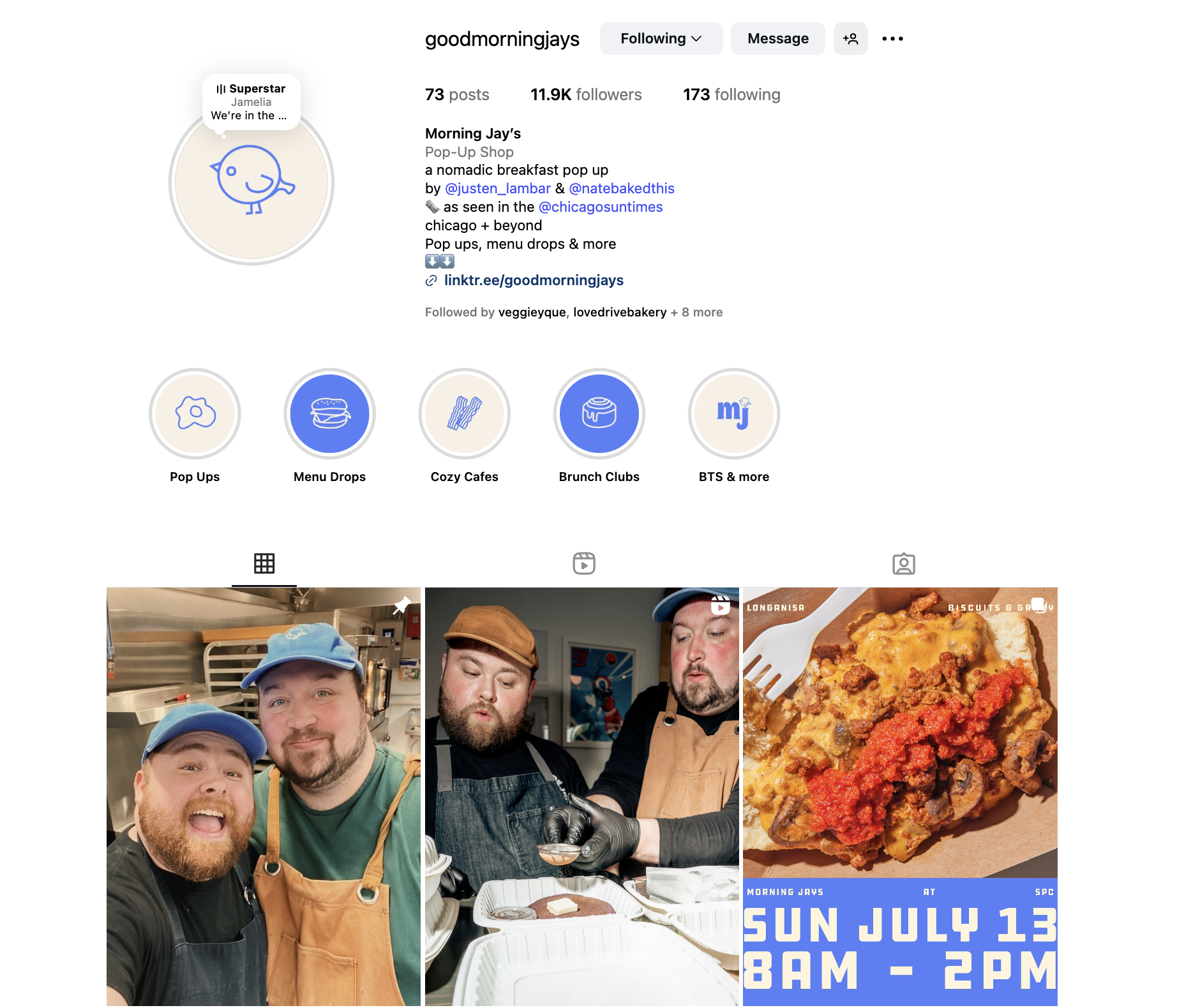
Some of the most successful businesses on Hotplate have grown their customer base by creating a community around their team and their story. The best ones lean into their authentic selves and their name, social media presence, and even packaging are all a reflection of their personality or background.
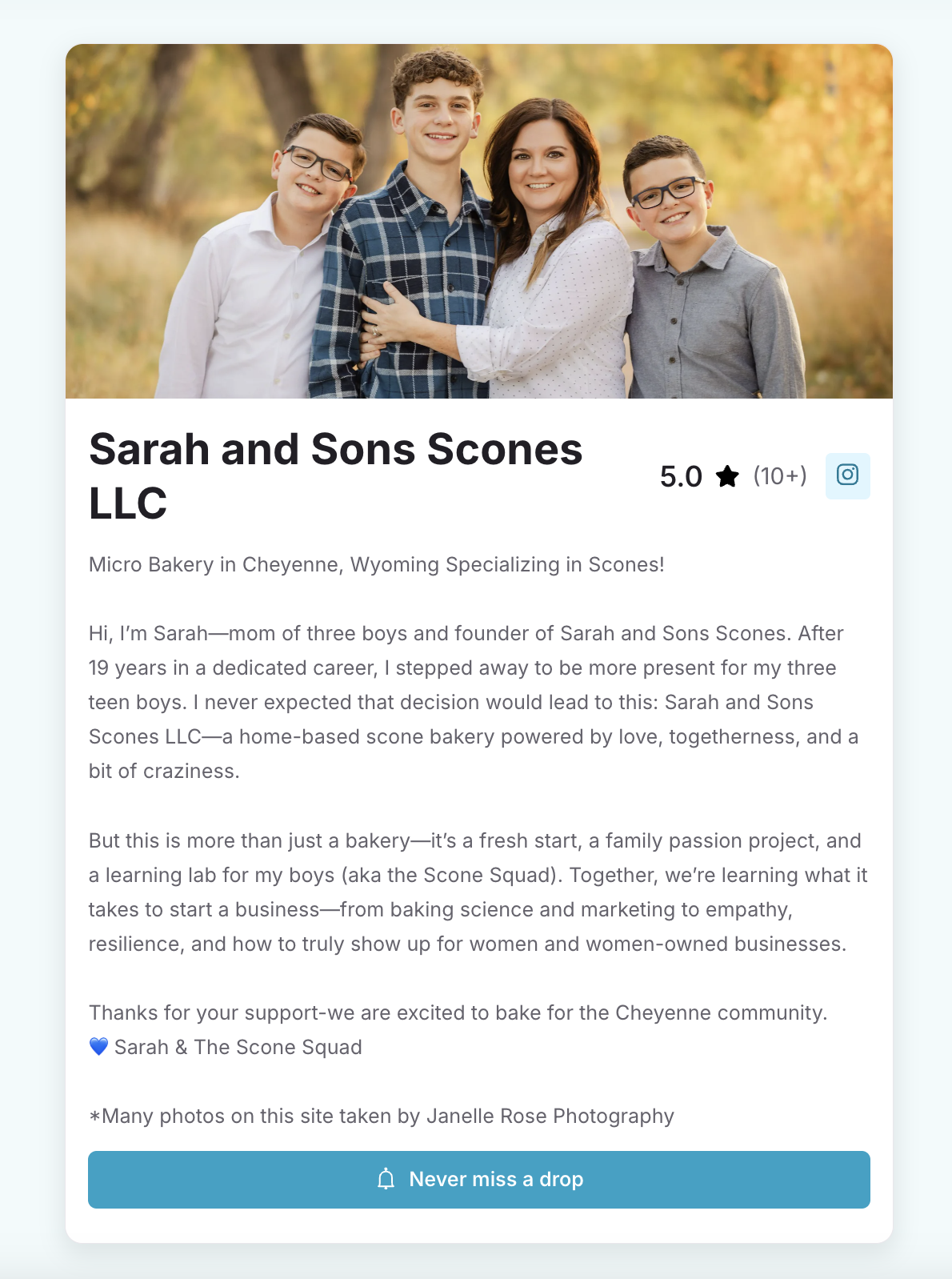
Your first step when creating your brand - before colors and a logo - is to think about what part of your story you want to share and how customers might personally connect to you and your business. Why do you do what you do and how can you convey that to your audience? This doesn’t have to be your whole life story, but sharing a personal detail or two in your narrative can help you make an immediate connection with potential customers.
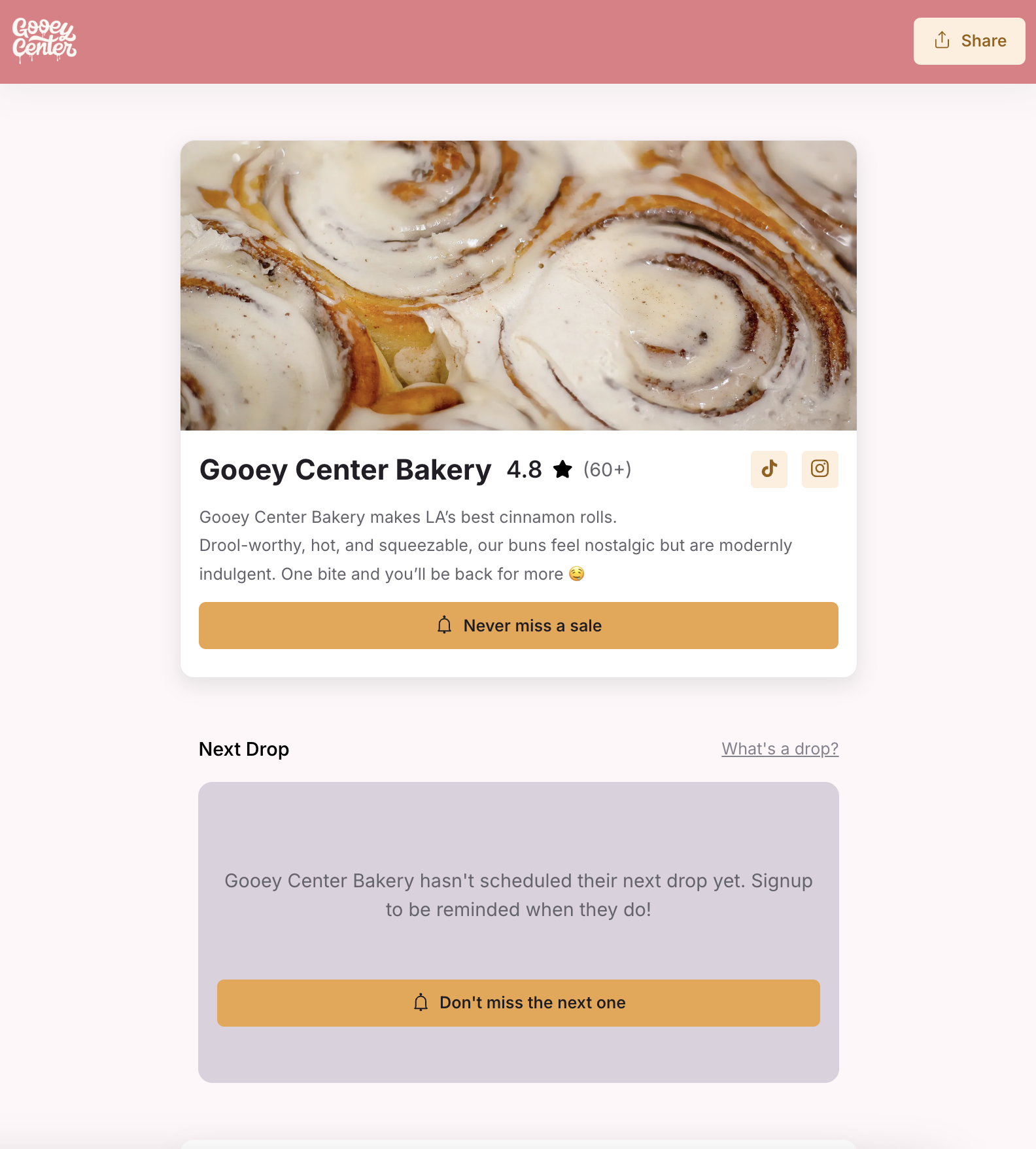
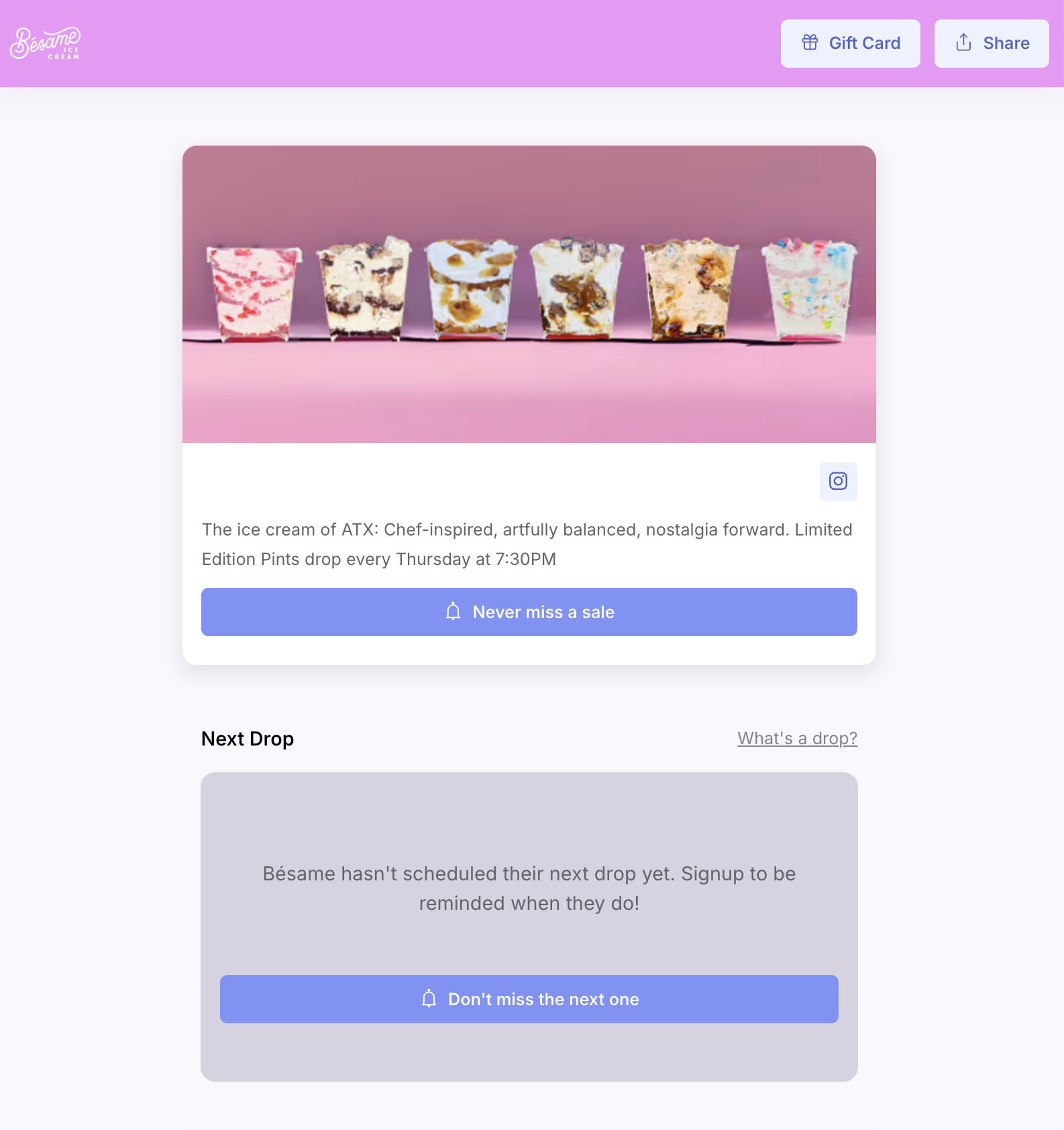
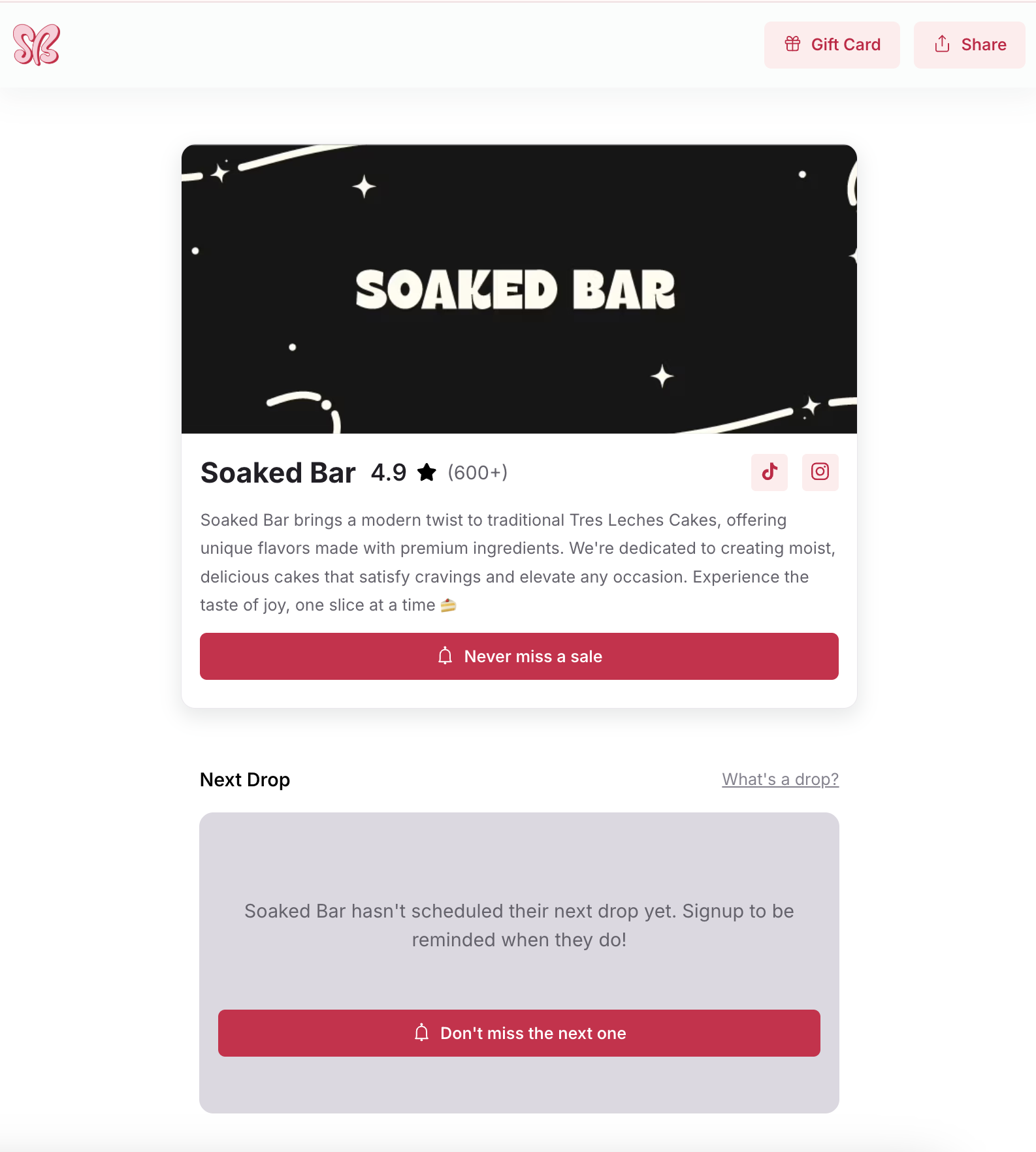
Here are some great examples of businesses with a strong story woven throughout the brand:
COMMITTING TO COLORS, FONTS, & VIBES
It feels obvious to say it, but your visual brand identity can make a huge difference in your sales. The way you appear on social media, your packaging, even your flyers and business cards all play a role in how customers remember and feel about your food.
Defining your visual brand
When starting to build your brand, you can consider a few things:
What food are you selling and what kind of visual brand is typically associated?
For example: bakeries often lean pink or warm tones, whereas BBQ or taco trucks lean blue or or colder tones.
What’s your background or story?
For example: if you’re making food inspired by your love of camping, maybe you can lean into forest greens and browns.
How do you want customers to feel?
For example: if you’re baking bread from home, maybe you want to convey a sense of coziness and warmth through reds and browns, but if you’re creating limited release drops maybe you lean into vibrant neon and energetic tones.
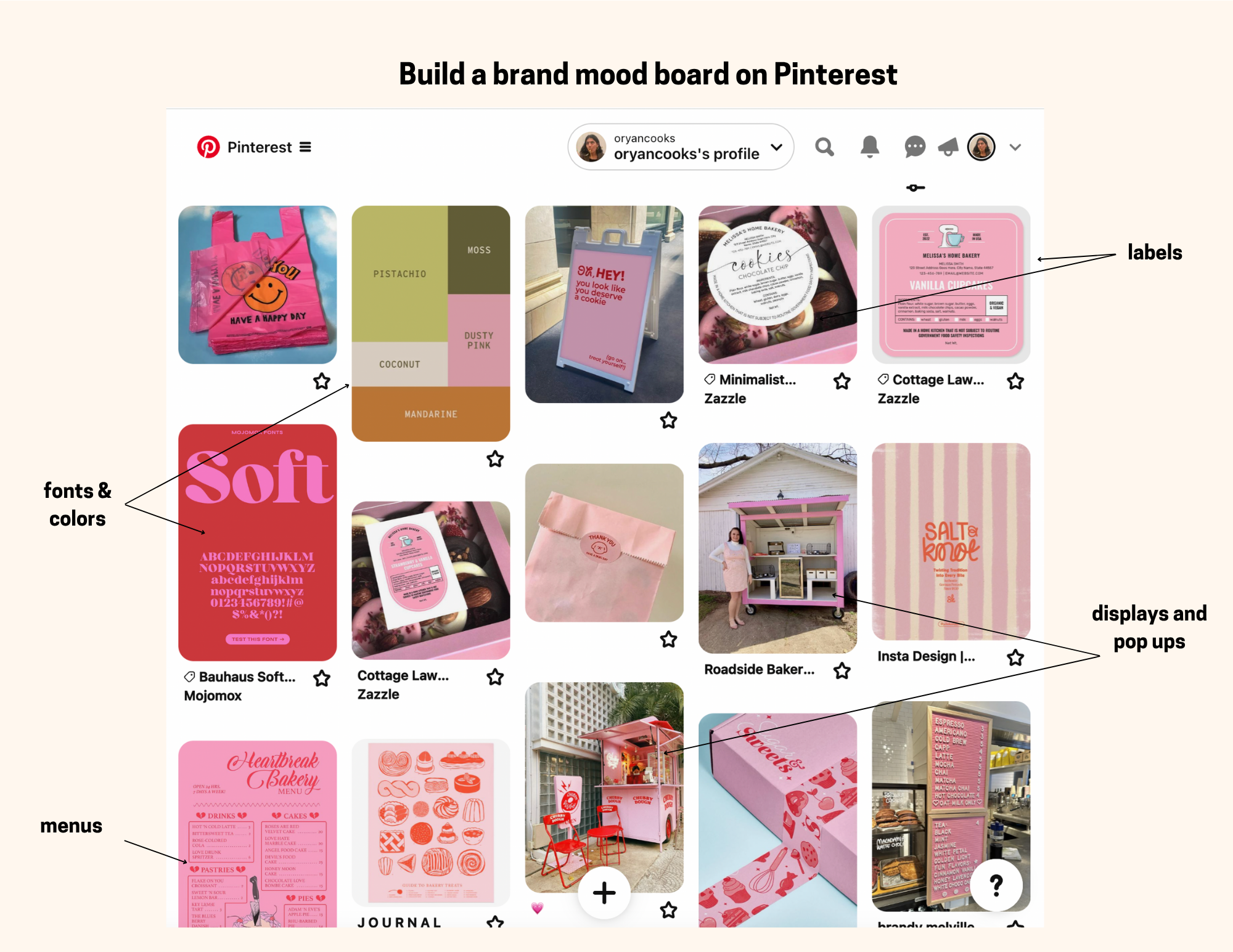
Building a mood board
One of the best ways to start developing a visual brand identity is to create a mood board. You can do this with physical media like magazines and printed photos, or use a digital tool like Pinterest. Collect references for color palettes you like, fonts that appeal to you, examples of packaging and pop up materials that inspire. Take a look in your cupboards or on grocery store shelves and identify brands that feel close to what you’re trying to create. Check out how other pop up businesses are branding or packaging the same type of food and determine what you’d want to replicate. Some chefs even print this mood board and hang it up in their kitchen!
Consistency is key
Once you’ve picked colors, fonts, and a general energy for your brand, it’s important to keep it unified and consistent across every touchpoint a customer has with your business. Printed materials, packaging, social media - they’re all part of creating a first and lasting impression. You want to be instantly recognizable to someone who’s seen you before. The good news is that committing to a brand “Style Guide” will make it really easy for you to create marketing materials quickly.
Many of our chefs also like to utilize the Canva Brand Kit which allows you to define colors, fonts, or logos and easily plug them into existing templates.
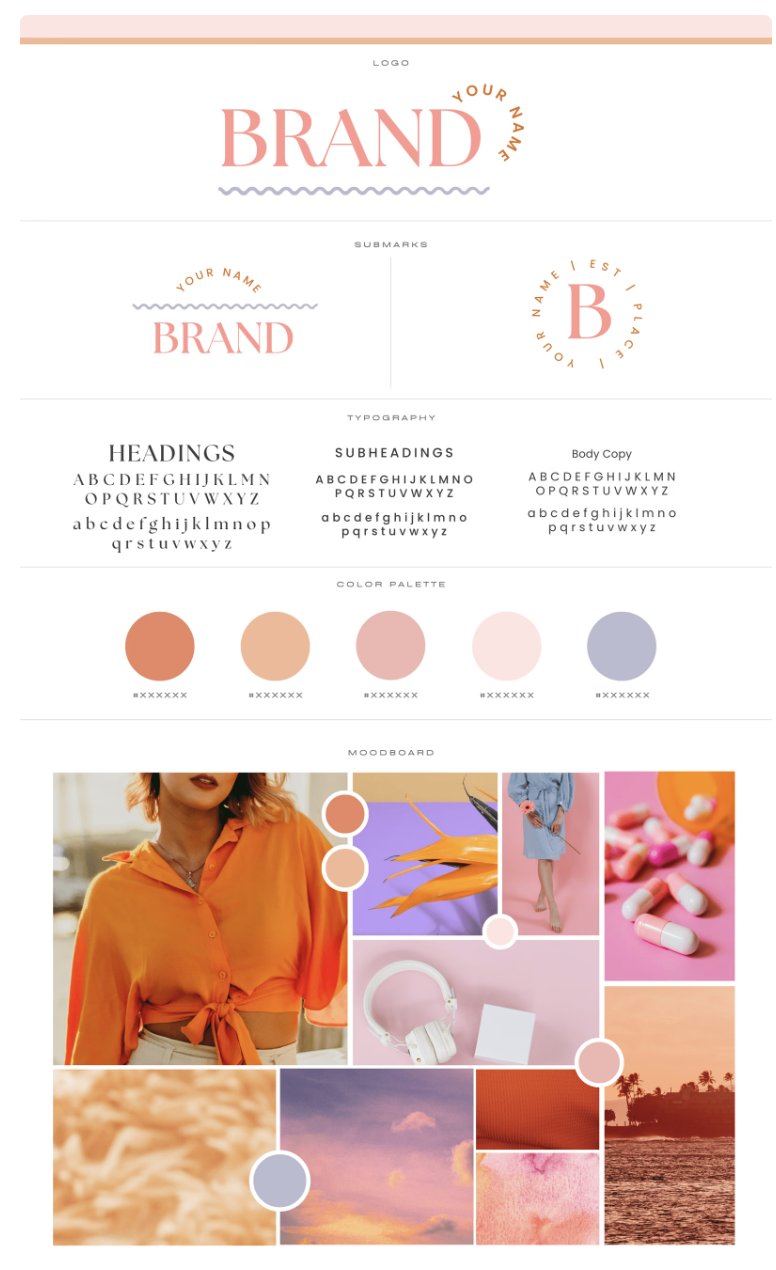
Example of Brand Kit. Read more on Canva.
BRANDING YOUR STOREFRONT
Once you’ve defined your visual brand identity, it’s time to bring that energy into your Hotplate Storefront.
Our most successful businesses have the following in their storefronts:
A clear logo in the top left corner (with a transparent background)
A delicious photo of food as the cover image
A short “About Me” that explains what they sell and a bit of their story. This is also a good place to include your drop schedule.
Here are some storefronts that look great and have consistent customer bases: